
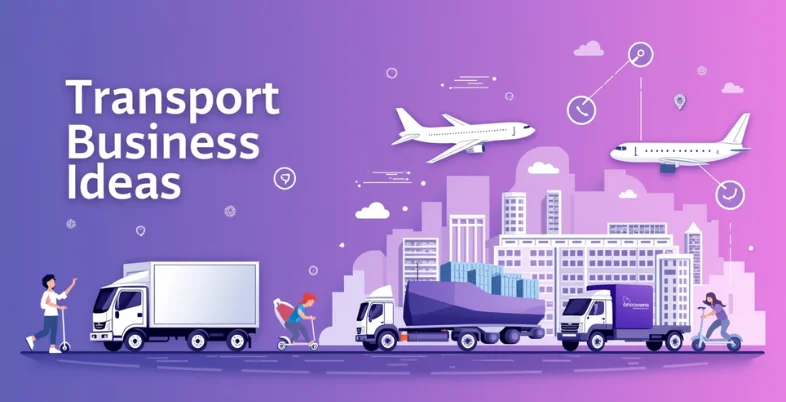
The world economy is based on transportation and logistics. Your coffee beans in the morning and your phone in your hand, nearly everything that we use has been trucked, shipped, flown, or biked. This industry is evolving rapidly in 2026 due to the rise of e-commerce, the diffusion of electric vehicles, and the desire of individuals to have more green supply chains.
There are massive opportunities for entrepreneurs. The transport services are increasing and transforming. The traditional system of possessing large trucks and ships is being substituted by technology-driven, adaptable, and specialized services. You can fit in this market regardless of how much money you have, whether it is 1000 or 1000000.
Over 25 lucrative transport business ideas will be listed in this guide based on the type of industry, the amount of money required, and the difficulty of conducting the business. We are going to do large freight forwarding to local delivery, and you will be able to choose the most appropriate one to your operations.
Why Start a Transport Business?
1. High Market Demand
Transportation is always needed for goods delivery, passenger travel, and logistics support. Growing e-commerce and industrial sectors increase demand every year.
2. Steady Income Opportunity
Transport services generate regular daily earnings. A single vehicle can bring consistent income depending on trips and distance.
3. Flexible Investment Options
You can start small with one vehicle and expand gradually. It allows better financial control and lower initial risk.
4. Multiple Business Models
Options include goods transport, passenger services, school vans, courier delivery, and truck rentals, giving flexibility based on budget and location.
5. Scalable Growth
After building clients, you can add more vehicles, hire drivers, and expand to new routes or cities.
6. Essential Industry
Transportation is the backbone of trade and commerce, so demand remains stable even during economic slowdowns.
7. Government Support
Schemes like MSME registration and Mudra loans help new entrepreneurs start and grow easily.
List of 20+ Best Transport Business Ideas
A. Logistics & Freight: The Heavy Hitters
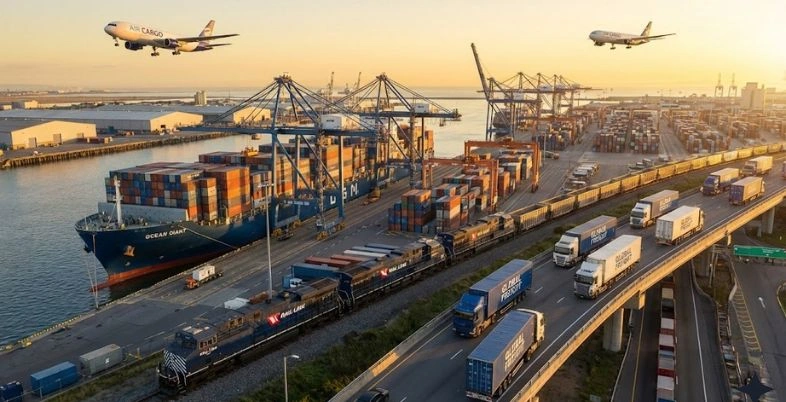
This industry is concerned with the transport of goods in bulk. It is normally more expensive to invest in but has huge returns and long-term contracts.
1. Long‑Haul Trucking Business
In spite of automation talk, truck drivers are the mainstay of the logistics process. The cost of starting a trucking company requires the purchase of a group of heavy duty trucks to move the goods across the state borders or even countries.
Why it works:
- Retail supply chain, manufacturing supply chain uses trucking as the sole means of transporting middle miles.
Investment:
- High (Trucks, Insurance,dap Sales of Drivers).
Key Success Factor:
- Obtaining regular contracts with manufacturers or effectively using load boards to decrease empty miles (returning to empty trucks).
2. Freight Forwarding Service
A freight forwarder is a travel agent of cargo. This does not mean that you own the ships or planes, but you make the logistics, paperwork, and clearance of goods through the customs to clients desiring to transfer goods across borders.
Why it works:
- Import/Export laws are not easy. The companies are glad to pay the professionals to clear the red tape and get space in cargo.
Investment:
- (Licensing, Software) Low to Medium (Office).
Key Success Factor:
- Forge quality relationships with the carriers (shipping lines, airlines) and mastering of customs regulations.
3. Cold Chain Logistics
This entails transport business ideas focused on transporting temperature-sensitive products such as pharmaceuticals, vaccines, fresh foods, and frozen foods.
Why it works:
- In the post-pandemic world, a healthcare supply chain is represented as something of a premium. There is also the need for fresh and organic food transportation throughout the whole world, which needs to be conveniently refrigerated.
Investment:
- High (Refrigerated trucks/Reefer containers).
Key Success Factor:
- Reliability. One insertion of the temperature can spoil a million dollar cargo, thus no bargain can be placed on the investing of IoT temperature monitoring.
4. Third Party Logistics (3PL)
A 3PL company takes care of warehouse, pickup, packing and delivery of other companies. It is more or less the operations arm of the e-commerce brands.
Why it works:
- There are numerous online sellers who do not have good logistics but are excellent marketers. Rather, they outsource fulfillment when increasing their growth is their priority.
Investment:
- Medium to High (WS space, WMS software).
Key Success Factor:
- Summation with e-commerce sites (Shopify, Amazon) and timeliness of delivery.
B. The E-Commerce Engine: Last Mile Delivery

The last mile consists of the last stage in the delivery process, between the local distribution center and the door of the customer. It is the most costly and complicated aspect of the chain as well as the most favorable location of fresh ideas.
5. Courier and Parcel Delivery Franchise
You do not have to create your own brand, but also purchase a franchise or collaborate with such giant corporations as DHL, FedEx, or local leaders. Your pin code or area is the area you handle deliveries.
Why it works:
- You have the benefit of getting a brand name out of the box and being guaranteed a stream of packages.
Investment:
- Medium (security deposit, a slight variety of vans or bikes).
Key Success Factor:
- The way in which you run operations. The profitability of your business depends on the number of packages that your drivers can deliver within an hour.
6. Hyperlocal Delivery Service (Quick Commerce)
Target the provision of groceries, medicines and food within a limited region (5-10 km) within less than 30 minutes.
Why it works:
- City shoppers desire convenience the most. Collaborating with local shops, pharmacies, and restaurants which do not have their own drivers can provide you with stable constant income every day.
Investment:
- Low (two-wheelers, an app).
Key Success Factor:
- Speed and the number of riders you can have.
7. Cargo Van / Mini Truck Rental
Numerous small companies (furniture shops, catering, flowers) have to deliver items occasionally but do not desire to purchase a truck. This is one of the practical transport business ideas where you can sell a “man with a van” service.
Why it works:
- It has a large demand for transporting big things which cannot be transported in a car but does not require a big truck.
Investment:
- Low or medium (one or two cargo vans).
Key Success Factor:
- Be flexible and willing on weekends and holidays.
8. Drone Delivery Services
The technologies of drone delivery are beginning to develop slowly in some regions such as medical delivery to remote locations or documents that need to be delivered to emergency locations in cities in 2026.
Why it works:
- Drones do not get stuck in traffic.
Investment:
- High (drones, licenses, training of pilots).
Key Success Factor:
- Overcoming the bureaucracy and prioritizing niche segments (e.g., organ traffic, emergency replacement parts).
C. Passenger Transport: Moving People
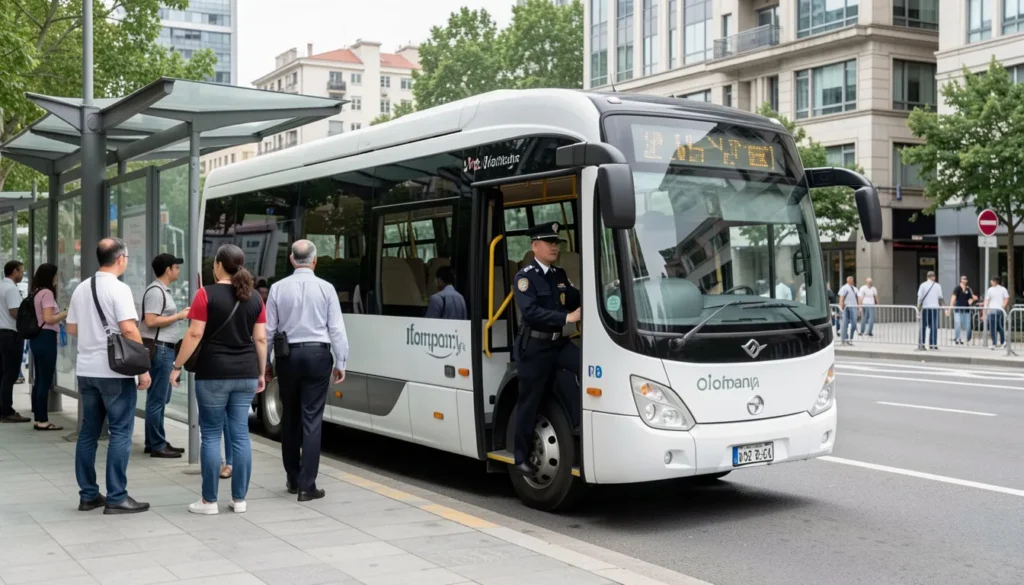
People’s transportation should be concerned with safety, customer care, and comfort, rather than with the transportation of boxes.
9. Corporate Employee Transportation
Large campuses also offer pick-up and drop-off services to their employees to ensure that they come to work on time and have no stress.
Why it works:
- Corporate contracts are consistent, long-lasting and pay money predictably.
Investment:
- Medium to high and it requires a fleet of buses or vans that are large in size.
Key Success Factor:
- On time and good safety records.
10. Non Emergency Medical Transportation (NEMT)
This service transports elderly or handicapped individuals to physician, dialysis or physiotherapy. It is not an ambulance, but wheelchair lifts should be installed in cars.
Why it works:
- The age of the population is increasing, and thus the demand is increasing. It is also paid with the help of insurance or the government.
Investment:
- Medium, because cars should be altered.
Key Success Factor:
- Caring employees and drivers who have undergone CPR and first aid training.
11. Luxury Chauffeur / Limousine Service
Provide wedding services, executive, and high-end tourists that desire luxury and privacy.
Why it works:
- Profit is high. The entire experience is more expensive to customers.
Investment:
- Yes, luxury cars like Mercedes S-class, limousines.
Key Success Factor:
- Impeccable service, being discrete and having cars clean and presentable.
12. Airport Shuttle Service
Make a scheduled trip between the hotels or center of the city and the airport.
Why it works:
- Air travel is re-examined. Individuals prefer certain, flat-rate schedules rather than unpredictable taxi fares.
Investment:
- Medium, by way of shuttle buses.
Key Success Factor:
- Hotel Industry and travel agents.
13. School Bus Fleet Operator
Schools frequently have their buses operated by personal enterprises as part of transport business ideas in order to reduce risk and documentation.
Why it works:
- Income is extremely stable. Contracts are for a year.
Investment:
- Large, purchasing numerous buses that could comply with high safety regulations.
Key Success Factor:
- Excellent Safety compliance and selection of drivers.
Suggest Read:-
D. Sustainable & Green Mobility: The Future is Now

14. Electric Vehicle (EV) Fleet Management
The company has a fleet of electric two-wheelers, or even three-wheelers, and rents them to gig workers (Uber drivers, Zomato/DoorDash delivery riders).
Why it works:
- Gig employees tend to lack the ability to afford a personal car. Leasing an EV will be cheaper as compared to purchasing a petrol bike.
Investment:
- Medium purchase the fleet.
Key Success Factors:
- Good charging or battery exchange systems.
15. Bicycle and E-Bike Rental Systems
Install the docking stations at tourist destinations, campuses, or inner city.
Why it works:
- The quickest way to traverse busy cities is micro-mobility, and tourists enjoy it as a way of sight-seeing.
Investment:
- Low to medium – bikes, an application, docking stations.
Key success factors:
- Excellent location of docking stations and frequent maintenance of bikes.
16. Battery Swapping Stations
Transport energy rather than goods and people—one of the innovative transport business ideas is to install stations where EV drivers can replace a depleted EV battery with a fully charged one in minutes.
Why it works:
- It is a solution to range anxiety, as well as long time to charge, which would make EVs more desirable.
Investment:
- Medium -infrastructure and battery stock.
Key success factors:
- Select key points of high routes.
E. Niche & Specialized Transport Services
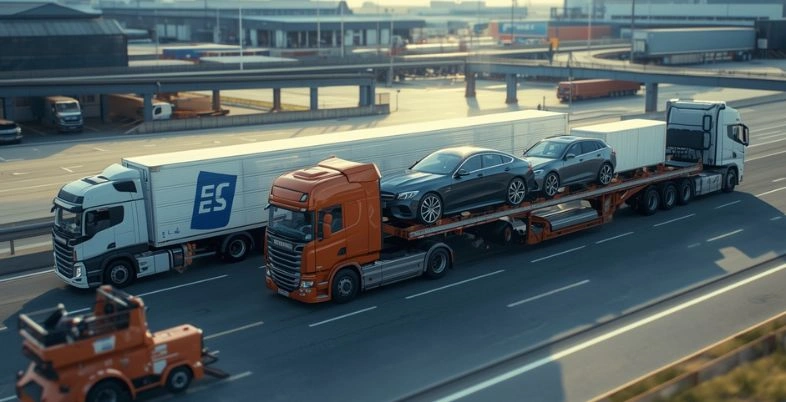
Niche businesses are typically less competitive and are afflicted with higher prices.
17. Pet Taxi Services
Take pets to a veterinary, grooming salon or a day care when owners are away.
Why it works:
- Humans are fond of pets just like children and they can afford quality care.
Investment:
- Inexpensive the car is pet-friendly and has pet cages.
Key Success Factors:
- Trust. You need to love animals and your record should be clean.
18. Packers and Movers (Relocation Services)
Relocate families or companies to new locations or offices and provide packing, unpacking and insurance.
Why it works:
- Cities grow and this causes many people to relocate due to jobs.
Investment:
- Mean cost-trucks, material used in packing, and labor.
Key Success Factors:
- Promise no damage to items.
19. Livestock Transportation
Ranch cattle, chickens or horses on behalf of farmers and breeders. You will require special trucks which ensure that the animals are safe.
Why it works:
- It is fundamental to agriculture and it is not common among businesses.
Investment:
- Medium cost-special trucks required.
Key Success Factors:
- Keep the guidelines of animal movement.
20. Waste Management Logistics
Collection of trash, recyclable, or hazardous material at homes and factories is one of the practical transport business ideas, where waste is relocated to recycling or disposal stations.
Why it works:
- People never stop throwing waste, and cities do not mind spending money on reliable service.
Investment:
- Expensive prices- garbage trucks and safety equipment.
Key Success Factors:
- Follow environmental laws.
21. Vehicle Towing & Roadside Assistance
Assist people whose vehicles are stalled. Include such services as jump starts, tires change, and lockouts.
Why it works:
- They are down and cars are towed by local tow companies paying money to insurers.
Investment:
- Medium cost.
Key Success Factors:
- Be 24/7 and response time is critical.
F. Ancillary Support Businesses

One does not have to own a car to be in the transport business.
22. Driving School
Train new drivers or they receive special training on trucks and forklifts.
Why it works:
- There are not enough professional commercial drivers.
Investment:
- Low to medium- there is the necessity of dual-controlling cars and a classroom.
Key Success Factor:
- Students and patient educators with good results.
23. Vehicle Rental Agency (Self-Drive)
Lend out cars or bicycles to individuals to drive on a short distance.
Why it works:
- Youths would rather get cars on short-use basis as opposed to owning them.
Investment:
- Large-size- you have to purchase cars.
Key Success Factors:
- Hassle-free reservation of the apps and maintaining the cars well.
24. Transport & Logistics Consulting.
If you understand the industry, transport business ideas can help you assist other businesses to enhance supply chains, reduce the use of fuel, or introduce electric vehicles.
Why it works:
- Knowledge is good.
Investment:
- Low.
Key Success Factors:
- Track record of performance and contacts in the industry.
Tips for Starting a Successful Transport Business
Starting a transport business can be profitable, but success depends on planning, strategy, and proper execution. Here are key tips to help you build a strong foundation:
1. Conduct Market Research
Understand the demand in your area, including goods transport, passenger services, or courier deliveries. Research competitors, pricing, and customer expectations to identify opportunities.
2. Choose the Right Vehicle
Select vehicles based on your business model—small trucks or vans for local goods, buses or vans for passenger services, and specialized vehicles for niche transport.
3. Plan Your Routes and Operations
Efficient route planning reduces fuel costs, travel time, and vehicle wear. Use GPS tracking and logistics software for smooth operations.
4. Maintain Vehicles Regularly
Proper maintenance ensures safety, reduces breakdowns, and increases customer trust. Regular servicing saves money in the long run.
5. Focus on Customer Service
Timely deliveries, polite drivers, and quick complaint resolution build a loyal client base. Satisfied customers lead to repeat business and referrals.
6. Manage Finances Wisely
Track income, expenses, and profits carefully. Budget for fuel, maintenance, permits, and insurance to keep your business sustainable.
7. Comply with Legal Requirements
Obtain necessary licenses, permits, and insurance. Following regulations prevents fines and legal issues.
8. Start Small and Scale Gradually
Begin with one or two vehicles, establish a reputation, and expand your fleet as demand grows. This reduces financial risk and allows controlled growth.
Conclusion
It is a vibrant and diverse transport sector in 2026, offering countless transport business ideas for aspiring entrepreneurs. It is also among the very few locations whereby hard work can directly correlate to how much one earns. Regardless of whether you are operating a one-man courier service or a fleet of electric trucks, the key guidelines remain the same: trust, safety, and doing things the right way.
The best entrepreneurs would be the ones that adjust to the green shift and harness technology to provide customers with a hassle-free experience. Examine your wallet to determine the amount of money you have, research files on what your local market requires, and begin your new business. The road ahead is wide open.
FAQs
Q1: Which of The Following Two Transport Businesses According To 2026, Will Make The Most Profits?
The profits of Cold Chain Logistics and Luxury Chauffeur Services are usually the largest since they require specific skills and are difficult to enter. But Last-Mile Delivery has the greatest amount of work.
Q2: Does It Mean That I Can Launch a Transport Business Without Money?
It is difficult to start with no money but it can be possible to start with little money. You can be an intermediary, you can connect shippers and truckers and receive a commission. The only thing you require is a computer and a phone. Or you can use your own vehicle to do courier work which is not expensive.
Q3: Does The Increasing Fuel Prices Still Make The Trucking Business Profitable?
During the case of gunflattening of the fuel price, yes, trucking can still make money. Freight rates also tend to have fuel charge. The industry is shifting to electric and hybrid trucks which reduce the operating expenditure. Being efficient, in particular, not making empty spins back and forth, makes you profitable.
Q4: Samsung 4e Requires An External License?
Yes. Almost all transport businesses require a license. You require the Commercial Driver’s License (CDL) in case you drive. In case you are running a company, you should be granted permission by transport authorities. Regulations change according to the country and state.
Q5: What Is The Way of Acquiring Contracts For My Transport Business?
Load Boards: refer to the freight search site like the DAT or the Truckstop. Government Tenders: school bus or waste bid. Networking: make physical visits to manufactures, distributors and planners of events locally. Digital Presence: ensure your presence is felt in Google Maps when customers search your respective transport service in a search query near me.
Q6: Which Is The Largest Threat In The Transport Business?
The largest risks are vehicle breakdown and accidents. A bad truck will not earn any money, but will have to pay insurance and loans. There is no better protection than good maintenance and full insurance.