The beginning of a food business would imply seeking a nice place, spending a lot of money on furniture, and waiting until a lot of people come. But in 2026, things will be different.
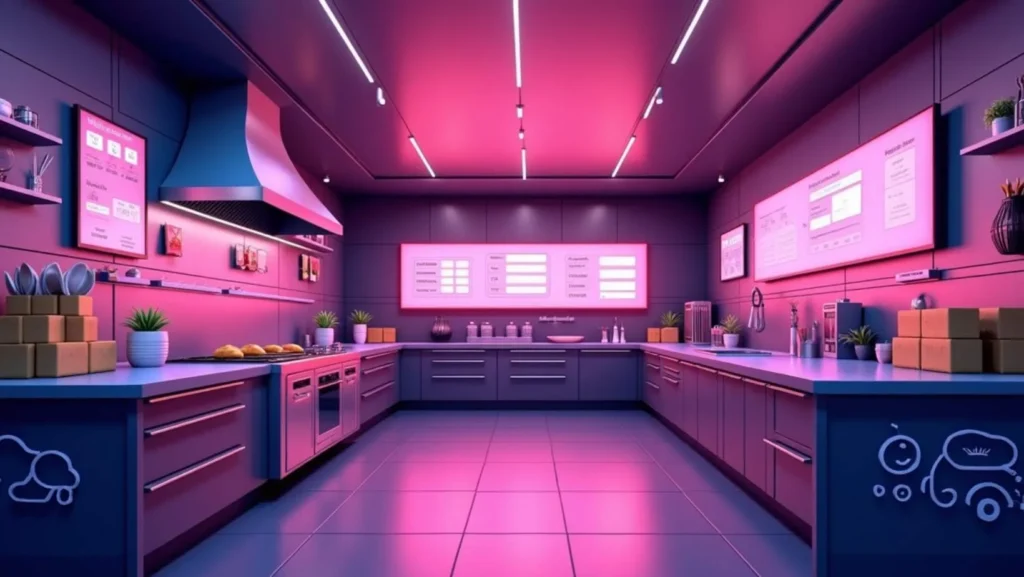
Cloud Kitchen business model has inverted the business of in-premise restaurants. Imagine operating a successful food brand without chairs, tables, or waiters. The only things you require are a kitchen, some qualified cooks, and a place in a delivery program.
This guide is your guide to action in case you have been daydreaming of feeding the world (at least your block), but you were thwarted by high rents. We will demonstrate to you how to open a cloud kitchen step by step.
There is not only growth in food delivery in India, but it is also booming. It is no longer a luxury to get food ordered by 2026.
Since we are about to plunge into the how-to, we will take a look at the figures that make this business so appealing:
- Market Size: The cloud kitchen market is expected to reach approximately 2.84billion in India by the year 2030, and it is indicative of the magnitude of the change in food habits.
- Rapid Growth (CAGR): The business has an annual growth rate of 16.6 percent, at a higher rate than most other parts of the hospitality industry.
- Profitability: The typical profitability of regular restaurants is 10-15% due to high prices, and a good cloud kitchen is likely to receive 18-25% profit.
- Consumer Behavior: During high-traffic occasions such as New Year’s Eve, the number of orders done by big apps is over 6.5m in a single day, indicating that the demand is high.
These figures demonstrate how to start a Cloud Kitchen. The most affordable method of starting a food business is a delivery-only model.
What Is a Cloud Kitchen?
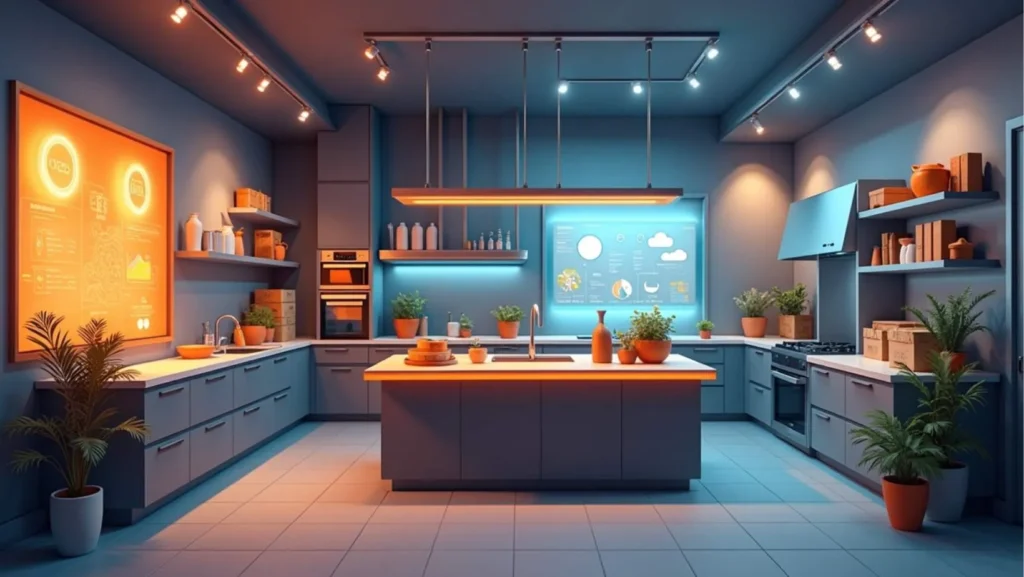
A cloud kitchen, also known as a ghost/dark/virtual restaurant, is a business establishment that is constructed to prepare food and deliver it to the customer.
What makes it different as compared to a normal restaurant:
- No Storefront: The customers are not able to enter a building to eat.
- No Waitstaff: You do not require waiters, waitresses or house cleaners in a dining room.
- Tech-Rich: The company takes orders using third-party applications (Zomato, Swiggy) or its own webpage.
- Imagine that it is a food factory. The objective is to prepare delicious food and give it to a delivery rider in a hurry
Can I Start a Cloud Kitchen from Home?
The question many people would ask is: Can I open a cloud kitchen at home? The brief reply to this question is yes, you could but with conditions.
The “Home Kitchen” Reality
Beginning at home will allow you to experiment on recipes with virtually no risk involved. You will then later run into two issues; the space issue and the law.
Legalities for Home Setups
Even in the case where you prepare your own food, you are required to have FSSAI basic registration in case you make less than 12 Lakhs a year. They will require this license when you register on Zomato or Swiggy, regardless of the location of your work.
Logistics Challenges
Home kitchens do not accommodate large-scale cooking tasks. The heated chimney can break or the electric bill can be increased. Home kitchens are good but they may have to relocate to a small commercial room so as to maintain cleanliness and efficiency.
Cloud Kitchen Costs: How Much Do You Require?
One of the myths is that cloud kitchens are not expensive to begin with. They are not expensive like restaurants, yet they require cash.
1. Initial Investment (Initial Costs)
- An Indian, single-brand, basic, cloud kitchen starts at ₹5 to 10 lakhs.
- Kitchen Equipment: 2-4 lakhs ovens, burners, fridges, preparation tables.
- Licenses & Permits: ₹15,000–30,000.
- Branding & Marketing: ₹50,000–1 lakh.
- Initial Stock: ₹30,000–50,000.
2. Operation Cost (Monthly Expenditures)
The highest expenditures incurred when you are running will be:
- Commission: Applications such as Zomato and Swiggy charge 2030 percent of every order.
- Packaging: Quality packaging will cost 1025 per order.
- Marketing: You have to pay for ads in the app so that you are visible.
Legal Requirements and Licenses
Paperwork is something that cannot be skipped. Failure to have the right licenses may result in fines or closure.
1. FSSAI License: This should have an FSSAI license.
- – Basic: in case turnover is less than 12 lakh rupees.
- – State: in case turnover is between 12 lakh to 20 crores.
2. GST Registration: Required when you make income that is more than the limit or when you would prefer to be refunded on purchases.
3. Trade License: This should be obtained at your local city office.
4. Fire NOC: Requirement when you are using gas cylinders or high power, obtain clearance from the fire department.
5. Shop and Establishment Act: Register under this act in case you have employees.
How to list your cloud kitchen on the Delivery Apps.
Your main source of customers will be the aggregators. Here is how you get on board:
Steps for Zomato & Swiggy Registration:
- Go to the Partner Portal: Access either of the websites “Zomato for Business” or Swiggy Partner.
- Complete the form by entering your kitchen name, address, and contact details.
- Documents Upload: Upload FSSAI certificate, PAN Card, GST (where required), and cancelled cheque (in case of payments).
- Menu and Photos: These are the most important. Create a compelling menu with appealing food images.
- Checking: A representative may visit your kitchen to ensure everything is clean. Upon approval, you will receive your funds within 3-7 days.
Tips for Better Visibility & Ratings
- Ratings Matter: Ask your initial customers to be truthful.
- The “New Tag: Apps tend to offer new kitchens a minor enhancement during the first 15-30 days. Take this opportunity and give discounts and win supporters.
- Good-Quality Pictures: Eat with your eyes. Do not use photos on phones; get a professional or an expensive system.
Choosing a Cloud Kitchen Location
In comparison with a cafe, you do not necessarily require a view of the sea or a main road. You need a functional spot.
Home-based vs. Rented Shared Kitchen
- Home-based: Inexpensive, but difficult to expand and acquire some commercial licenses.
- Rented Space: An ideal space is 300-600 sq. ft. in a back alley. Rent should ideally be under ₹30,000‑₹50,000.
- Shared Kitchens: The companies, such as Kitchens or CloudKitchens, provide plug-and-play stations whereby you just bring your cook and food.
The 3km Goldmine (Delivery Radius).
The bulk of orders for delivery lies within a 35 km radius. Inquire about the concentration of apartments and offices in such a circle before choosing a spot. Be a customer of the Zomato app to know the number of competitors operating in that particular area.
Menu Planning for Your Cloud Kitchen
With cloud kitchens, your menu is your salesperson. It must be delivery-friendly.
Design for Travel
- The French fries may taste good at the counter, but after 20 minutes, they grow sloppy.
- Also, Loafs, Biryanis, Pizzas, and Wraps. These have a high speed and can hold heat.
- Portion Size: Maintain it/keep it the same. Check the weighing scales to make sure that all Large orders are large.
Learning from the Giants:
- Rebel Foods (Faasos/Behrouz): They addressed the one kitchen, multiple brands concept. They operate under the same kitchen and sell wraps (Faasos) and quality biryani (Behrouz).
- Box8: Famous for their All-in-One meal boxes, which are easy to eat and properly sized to serve one person.
- Fresh: Emphasizes healthy, clean food with clear and known calories.
Hiring & Kitchen Staff
The second-highest cost after food expenditures is labor.
Who Do You Need?
- A Small Set up: 1 Head Chef, 2 Cleaners/Helpers.
- To serve a Medium Set-up: 1 Head Chef, 2 Line Cooks, 1 Inventory Manager, 1 Clean-up Person.
Delivery Management
You do not require your delivery boys. Fleet Swiggy/Zomato/Dunzo. It will save you the hassle of handling bikes, gas, and insurance. But retain one run staff to make local deliveries, or by hand in case there are some.
Marketing & Promotion Tips
A cloud kitchen does not need any physical walk-in customers, and therefore, your entire brand is in the online cosmos. In 2026, it will not be just enough to be present on Zomato; it should be a 360-degree online presence. You can go for a digital marketing agency for startups.
1. Master the “Hero Shot.”
The world of delivery is one to eat with their eyes. Invest in a professional food photographer. Stock images should be avoided; the customers can tell. Close-ups, which reveal texture, steam, and bright colors, are to be used in your hero shots. On delivery services, such as Swiggy, the conversion rate on dishes with having high-quality photos is 25-30 percent higher.
2. Hyper‑Local Social Media
Do not simply post food pictures; tell a story. Create Instagram Reels and demonstrate the person in the kitchen – a Day in the Life of a Chef or the person showing the hygiene standards – a Behind-the-Scenes. Use hashtags to identify your particular locality (e.g. #IndiranagarEats or SouthDelhiFoodies). The influencer marketing reigns supreme: collaborate with micro-influencers (5k- 20k followers) within your particular delivery area. They can say more than a generic ad through their word-of-mouth.
3. Power of Packaging Marketing.
The customer only has physical contact with you through your packaging.
- The Surprise Element: Incorporate some small freebie such as a chocolate, branded wet wipe, or a customized note of thanks.
- QR Codes: Stick a QR code on the box that directs your WhatsApp when you get a direct order discount next time. This assists you in getting customers out of high-commission apps.
4. Search (Local SEO) maximization.
Create a Google My Business account for your kitchen. Although one does not have a dining place, free publicity in Google Maps can be targeted by someone searching for the best biryani in my area. Request your loyal clients to place their reviews there; a 4.5-star rating on Google creates an immediate trust.
Are Cloud Kitchens a Profitable Business in India?
The answer in a nutshell is: Yes, but it is a game of thin margins and large volumes.
The Revenue Potential
An average single-brand cloud kitchen in a Tier-1 city is able to earn between 5-15 Lakhs in revenue every month. When you go to a multi-brand system (where you run 3 cuisines out of one kitchen), that income can go up to 25 Lakhs and more without necessarily paying a lot to rent.
Breaking Down the Profits
Whereas the Gross Profit on the food is usually high (typically 65-70 percent), the Net Profit is the place where the money is stolen.
The commissions that you are going to pay to Zomato/Swiggy are 25-30 percent.
- Spend on marketing: reserve 10-12 percent of sales on ads to ensure that customers can continue seeing you.
- Packaging: Packaging will cost approximately 3-5 percent of the order value.
The Bottom Line: A properly operated cloud kitchen is likely to generate a profit margin of between 15% and 22%. Assuming that you sell 10 Lakhs per month, then your pure profit will be around 1.5 to 2 Lakhs. A return on investment will be realised within 12 to 18 months as compared to a traditional restaurant.
Common Mistakes to Avoid
Most foodpreneurs do not succeed due to poor food, but because their business plan has loopholes. Watch out for:
1. Over‑Complicating the Menu
The greatest mistake is an attempt to sell too many dishes. A 50-item menu is a waste of time and preparation. Start with 10‑15 solid items. Being the best burger place is better than a disjointed Indian -Chinese -Continental kitchen.
2. Ignoring Hidden Costs
The new owners tend to compute profit as: Price-ingredient cost. They do not get the 30 percent commission, oil, electricity, garbage, and the cost of a fancy biodegradable box. Always have a food costing tool so that you will not be losing money per order.
3. Too reliant on Aggregators.
It is not safe to trust Swiggy or Zomato 100 percent. And your business will be dead in the middle of the night, should they increase commissions or alter their algorithm. Begin to develop a direct ordering system (through WhatsApp or a basic website) immediately.
4. Poor Hygiene Standards
In a cloud kitchen, you will not see the customer. When one of your customers gets sick or has a hair, s/he will simply place pictures online, and your reputation will be ruined. Maintain a kitchen as neat as a Masterchef and have your hygiene rating on your profile by getting FSSAI.
Conclusion
The idea of starting cloud kitchens in 2026 is a great and more accessible entry to the food business, especially for those learning how to start a cloud kitchen the right way. It pays to be productive, delicious, and allows you to mature more quickly than you would have a decade ago. We discussed all the ₹5-10,000 starting cost setup as well as the legal process of FSSAI and GST. We also considered the significance of a 3 km delivery radius, as well as the significance of packaging as your marketing vehicle, in essence.
It is important to remember that in the cloud kitchen, the cloud can be understood as any technology-led. It is up to you to find the golden mean between the human aspect of making delicious food and the data aspect of making the most out of your online listings. When you love to eat and are able to run a focused business, there is no limit to the sky (or the cloud). You should begin small, pay attention to feedback, continue to perfect your menu, and before you have the chance to flavor the next dish, your small kitchen may end up being the next big household name.
Explore How to Become a Content Creator
FAQs
1. How long does it take for a break-even period?
In most cases, a properly managed kitchen is able to break even after 6- 12 months.
2. Is a home-based kitchen obliged to have FSSAI?
Yes. All food-related businesses in India, regardless of their size, must be registered by FSSAI to be legally operational and appear in the delivery apps.
3. Is Swiggy better than Zomato?
Both are useful. They possess varying bases of users. Ideally, it is better to list on both to access more customers.
4. Is it possible to have 5 brands under the same kitchen?
Yes. This is the multi‑brand model. You can then have multiple brands within the same space provided that your employees are capable of handling the recipes.